There are no containers in your request yet.
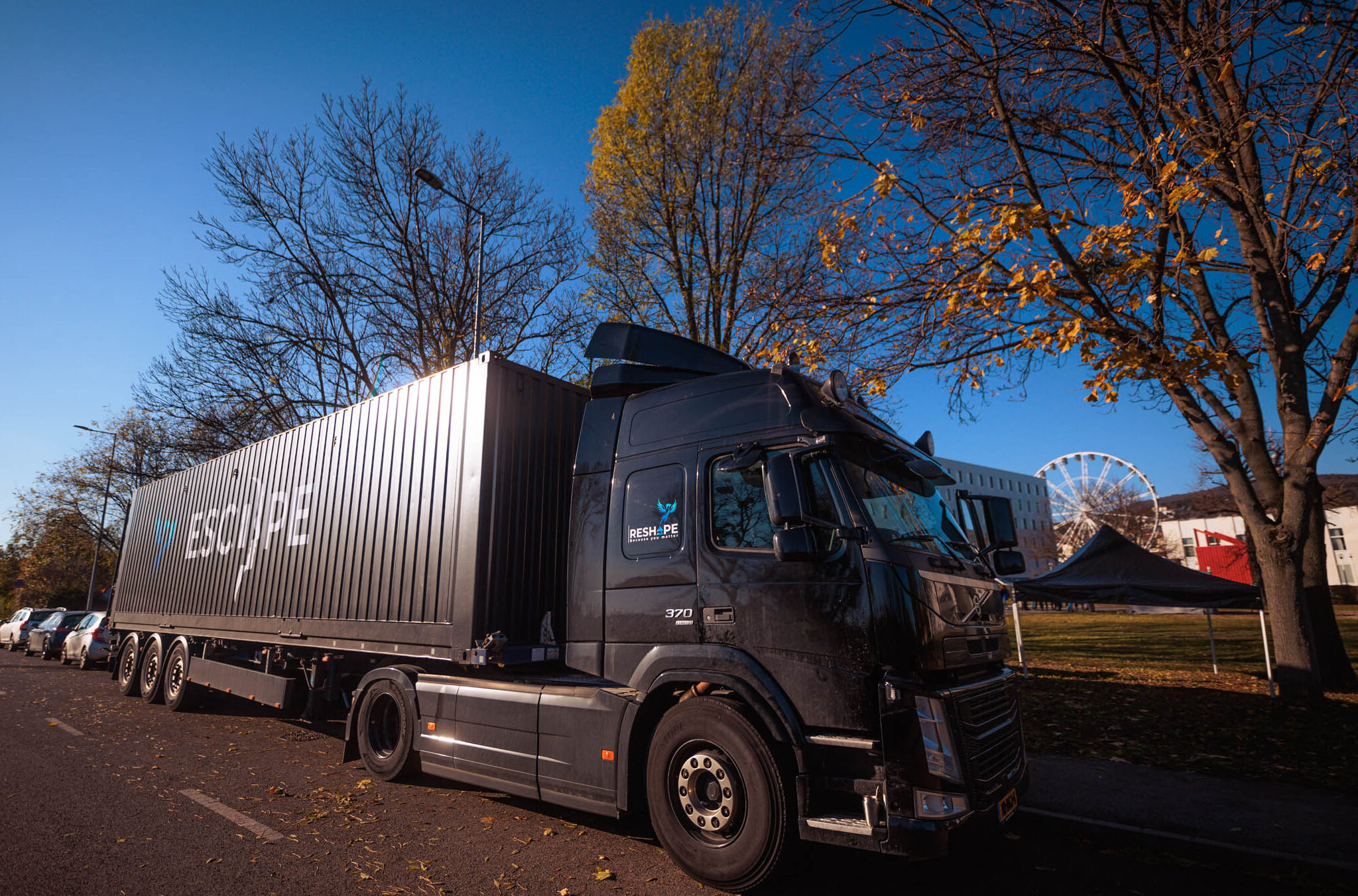
The Escape Container and Mini Container – Building Awareness Together
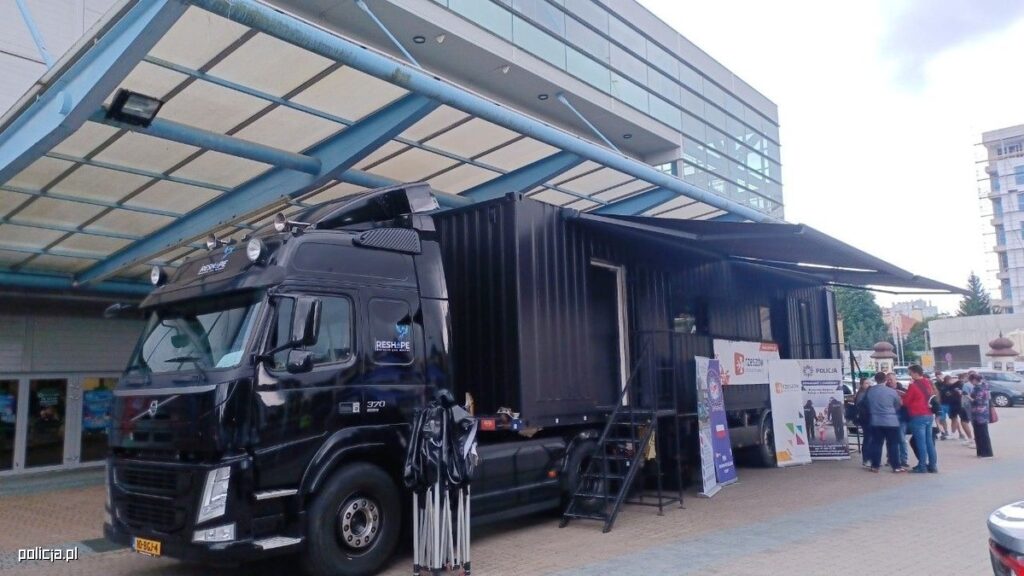
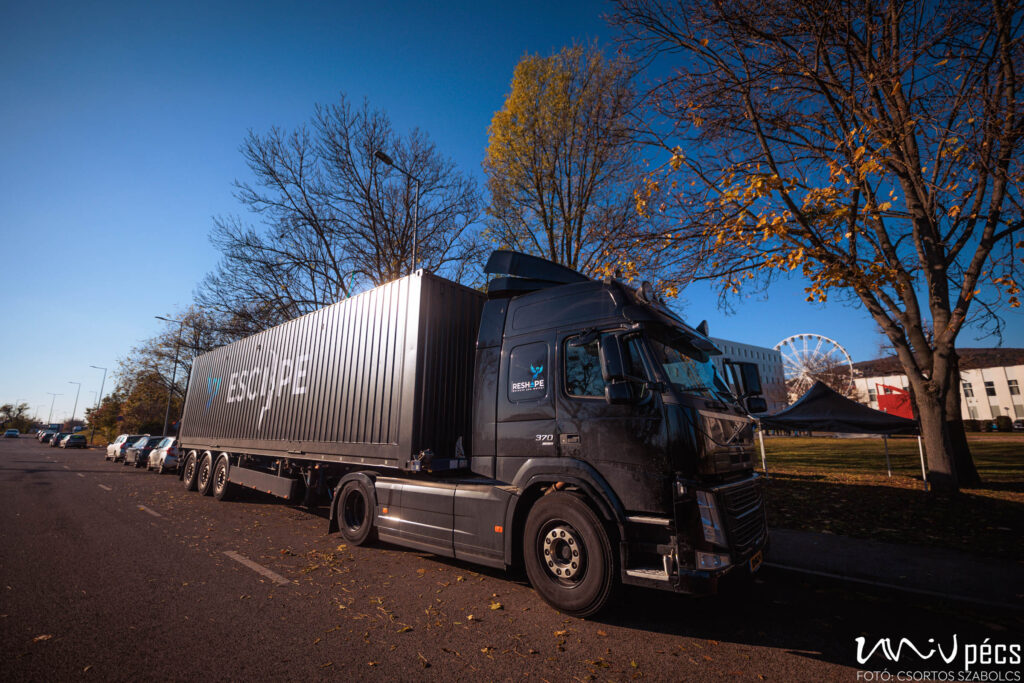
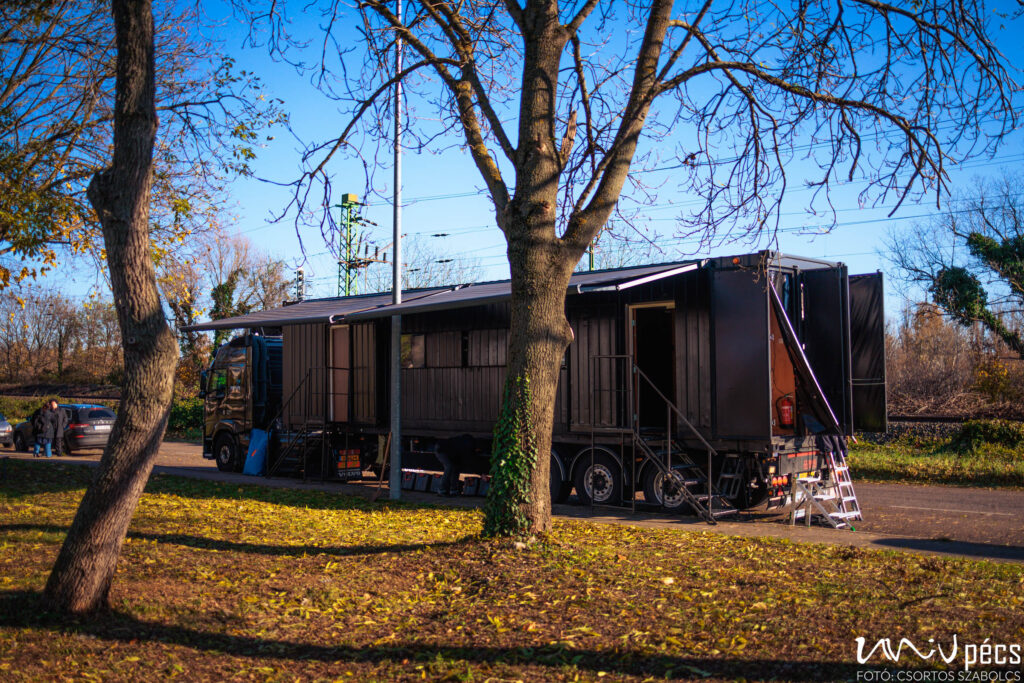
Bij RCC zien we containers niet alleen als logistieke oplossingen voor opslag of transport, maar ook als flexibel en multifunctioneel inzetbaar. Dit project laat dat mooi zien: samen met onze klant, Jorn van Rij, bouwden we een escapecontainer die bewustwording creërt rondom mensenhandel. Het resultaat is een indrukwekkende, mobiele beleving die inmiddels in binnen- en buitenland duizenden mensen bewust heeft gemaakt van dit onderwerp. Het succes leidde tot een vervolg: de mini container, die bewustwording naar scholen en jongeren brengt.
Het idee achter de escapecontainer
Jorn van Rij werkt al jaren aan bewustwording rond mensenhandel. In Nederland en het buitenland zet hij preventieve projecten op om bewustwording te vergroten bij slachtoffers, maar ook om professionals te trainen. Daarbij staat evidence based en intelligence led werken centraal: actief signalen verzamelen, analyseren en omzetten in nieuwe onderzoeken.
Ook vervult hij meerdere maatschappelijke en academische functies. Als commissielid behandelt hij mensenhandelzaken binnen de schadecommissie geweldsmisdrijven. Via stichting Reshape, waarvan hij mede-bestuurder is, worden preventieve programma’s ontwikkeld en uitgevoerd. En als bijzonder hoogleraar mensenhandel aan de universiteit van Pecs doet hij onderzoek naar seksuele uitbuiting – één van de vele vormen van mensenhandel.
Mensenhandel is een complex en vaak verborgen probleem, waarbij slachtoffers zich niet altijd als slachtoffer herkennen. Om dit zichtbaar te maken, ontstond het idee om een escaperoom te ontwikkelen. Niet in een standaard ruimte, maar in een container: robuust, verplaatsbaar en flexibel inzetbaar.
Eerder was er een escape-caravan getest in Hongarije en Moldavië. De reacties waren positief, maar de behoefte was er aan iets groters, duurzamers en professionelers. De keuze viel daarom op een container. En zo kwam Jorn bij RCC terecht.
De container
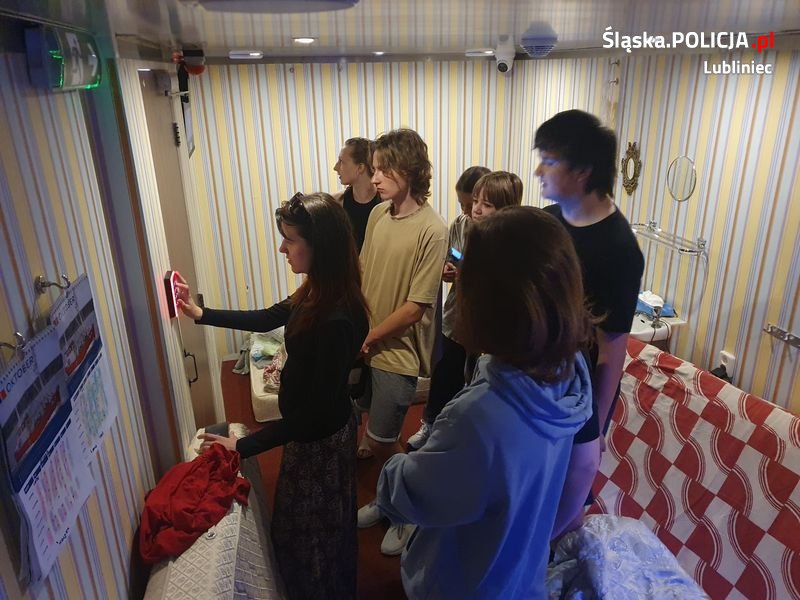
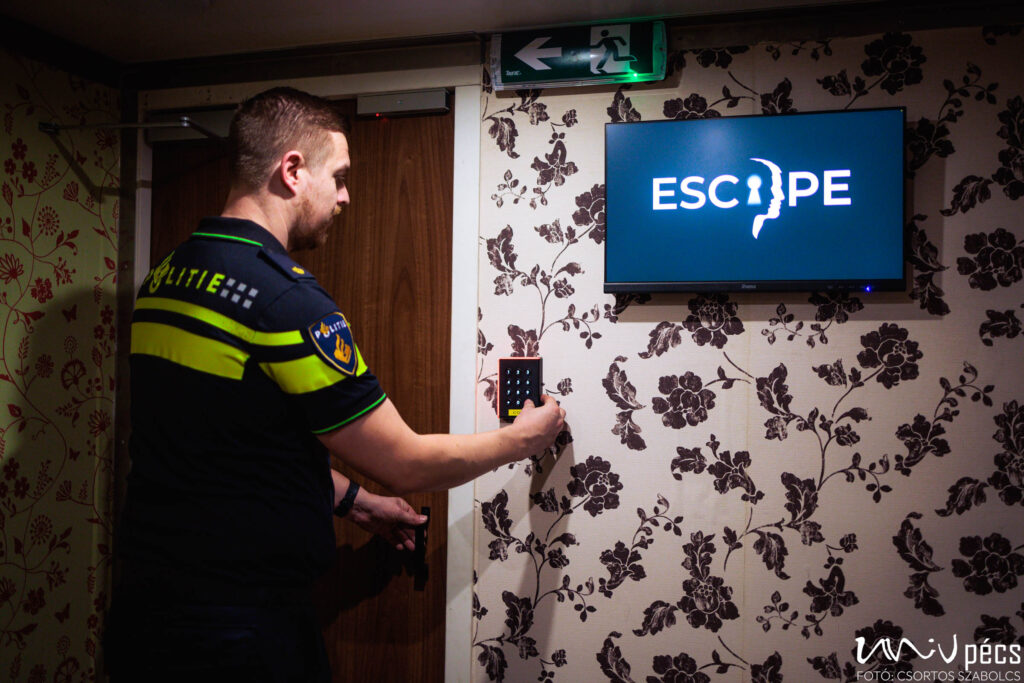
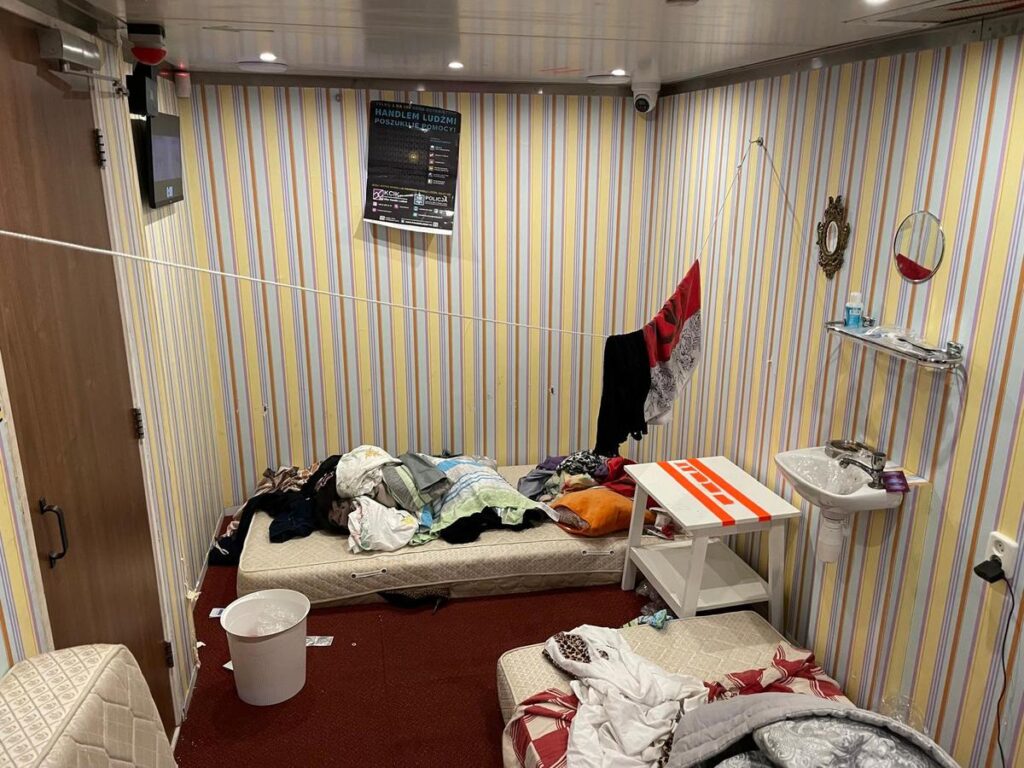
De escapecontainer is opgebouwd uit meerdere kamers.
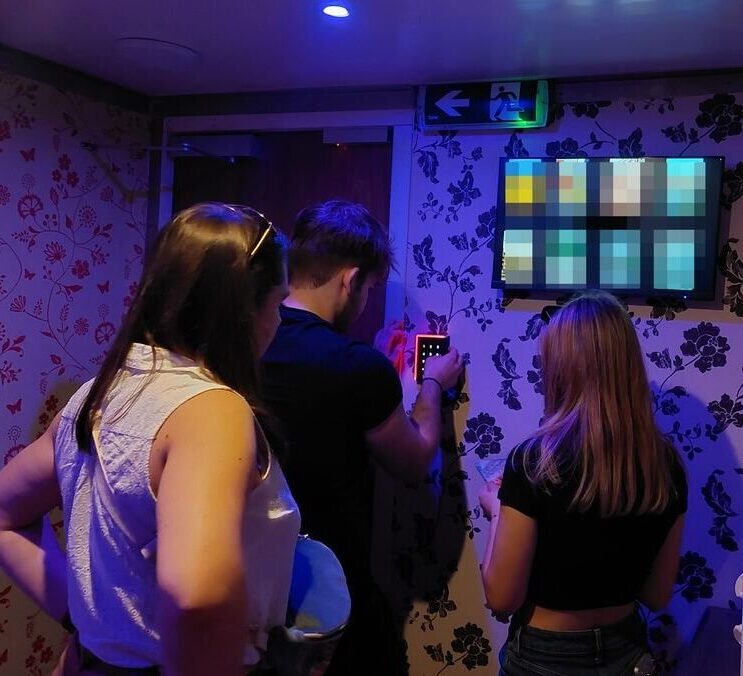
In de eerste kamer hoor je het verhaal van het slachtoffer en hoor je over diens kwetsbaarheden. In de volgende kamer hoor je een volgend deel van het verhaal en ontdek je de werkwijze van criminelen, hoe ze het slachtoffer hebben verleid, geronseld of gedwongen. Tot slot hoor je de korte en lange termijn gevolgen van het slachtofferschap.
En de clou: je kunt de escaperoom niet alleen oplossen. Je hebt altijd hulp nodig, net zoals slachtoffers dat hebben. Pas dan krijg je de code en begint het echte gesprek met professionals.
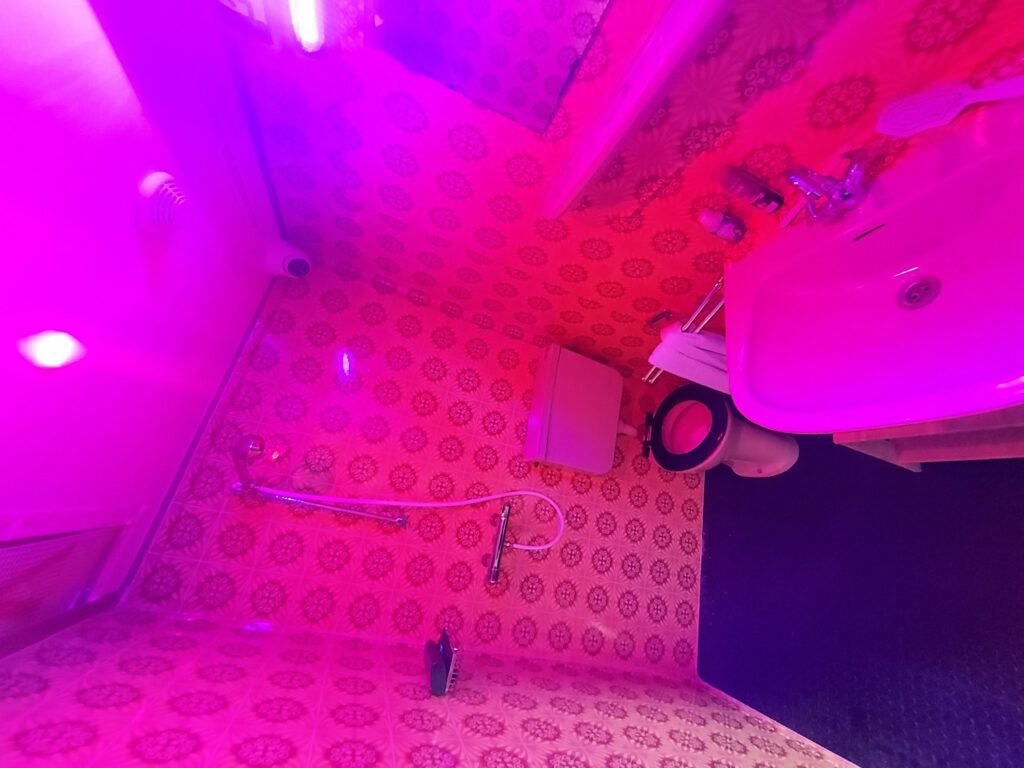
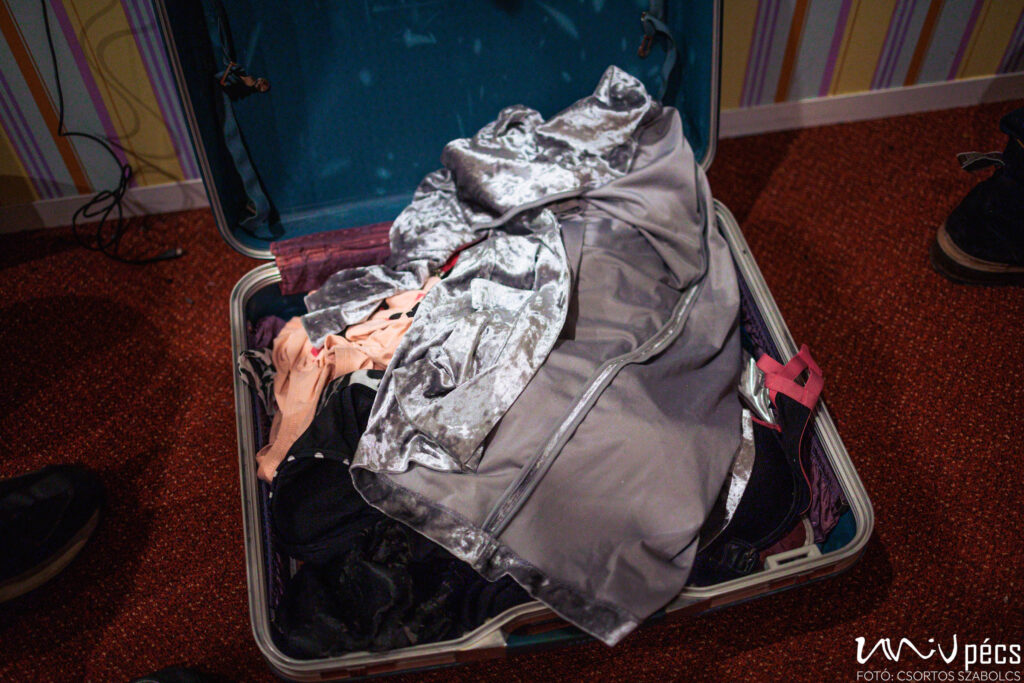
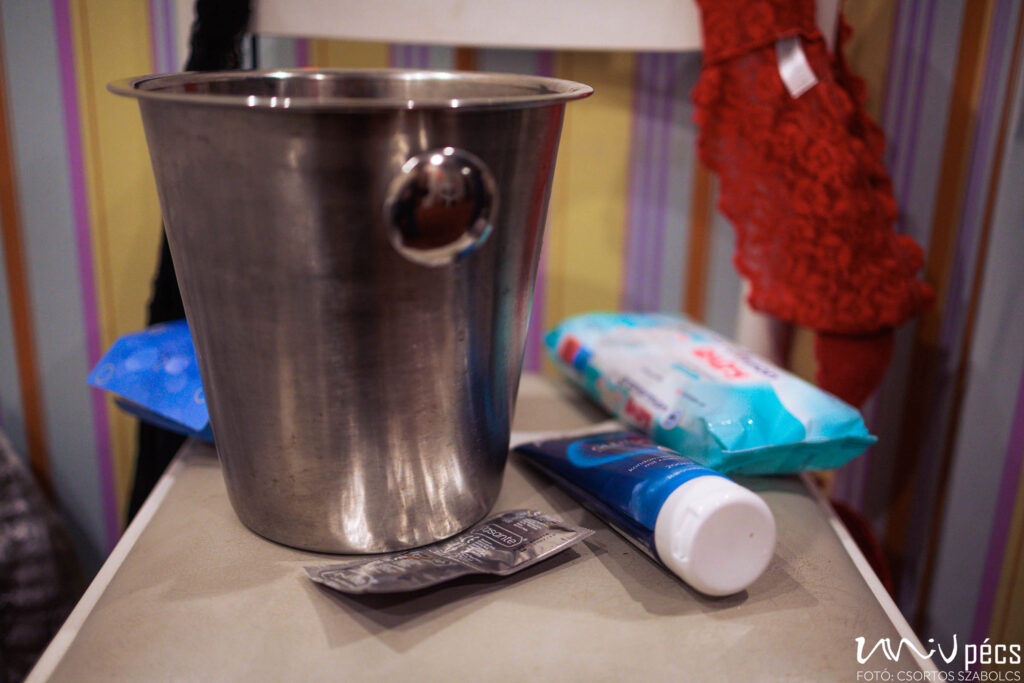
Alles is waargebeurd, en elk detail, van geur tot geluid, is aangepast om de ervaring levensecht te maken.
De samenwerking met RCC
Bij dit soort projecten draait alles om maatwerk. Vanaf het eerste gesprek ontstond er een goede klik. Jorn bracht de inhoudelijke kennis en de visie, wij bij RCC zorgden voor de technische uitvoering en dachten mee over mogelijke oplossingen. Zo konden we samen ideeën vertalen naar een concreet ontwerp.
De container moest aan veel eisen voldoen:
- Multifunctioneel: geschikt voor verschillende vormen van uitbuiting (seksueel, crimineel en arbeidsuitbuiting), voor diverse doelgroepen en eenvoudig te verplaatsen.
- Veilig: volledig geïsoleerd, uitgerust met brandwerende deuren, blusinstallaties, camera’s, CO₂-melders en een eigen aggregaat.
- Realistisch: een beleving met geur, geluid, temperatuur en kleur, zodat bezoekers zich echt in de situatie van een slachtoffer wanen.
De resultaten en het bereik
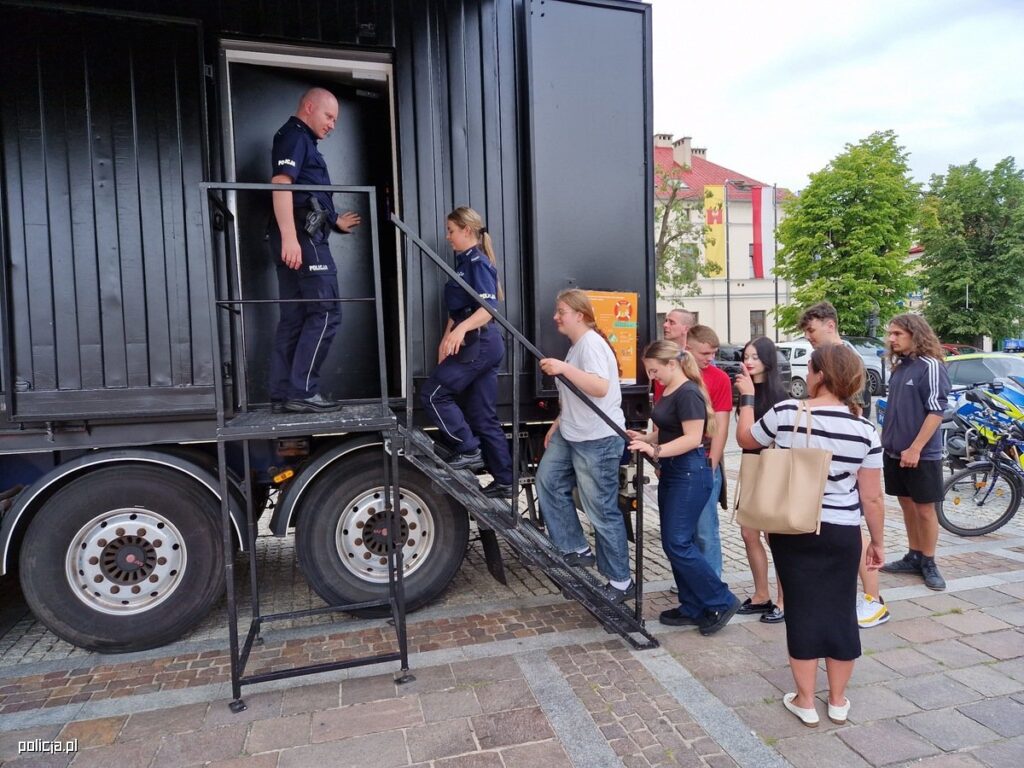
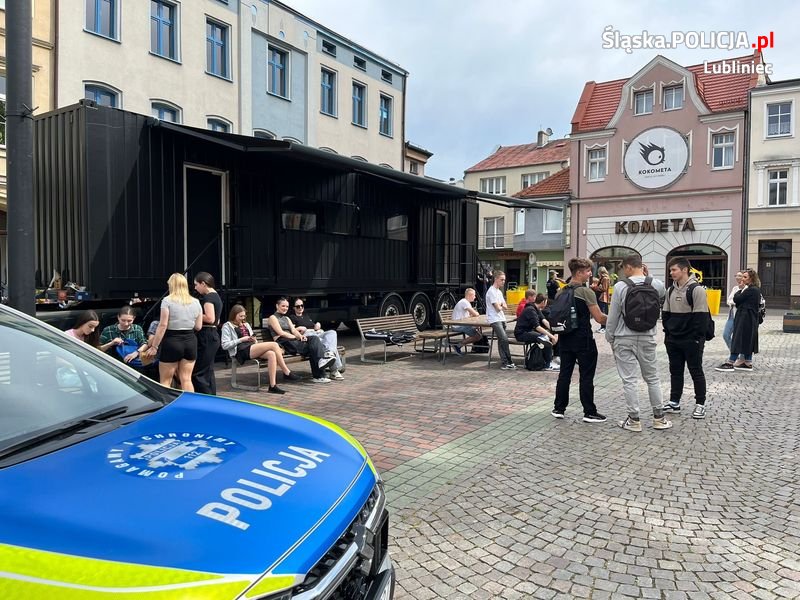
Ondertussen reist de container al drie jaar door Nederland en Europa en heeft het duizenden bezoekers bereikt. In landen als Polen is de vraag zo groot dat hij structureel meerdere keren per jaar wordt ingezet. In korte tijd kan de container tientallen steden aandoen, met honderden bezoekers per dag – vaak hele schoolklassen tegelijk. Samen met campagnes en online aandacht bereikt dit project inmiddels honderdduizenden mensen. Er is zelfs een wachtlijst ontstaan om de container te mogen inzetten. En het einde is nog niet in zicht, het doel is om de container nog 10 jaar in te zetten voor bewustwording van dit belangrijke onderwerp.
De mini container: bewustwording en leren in de klas
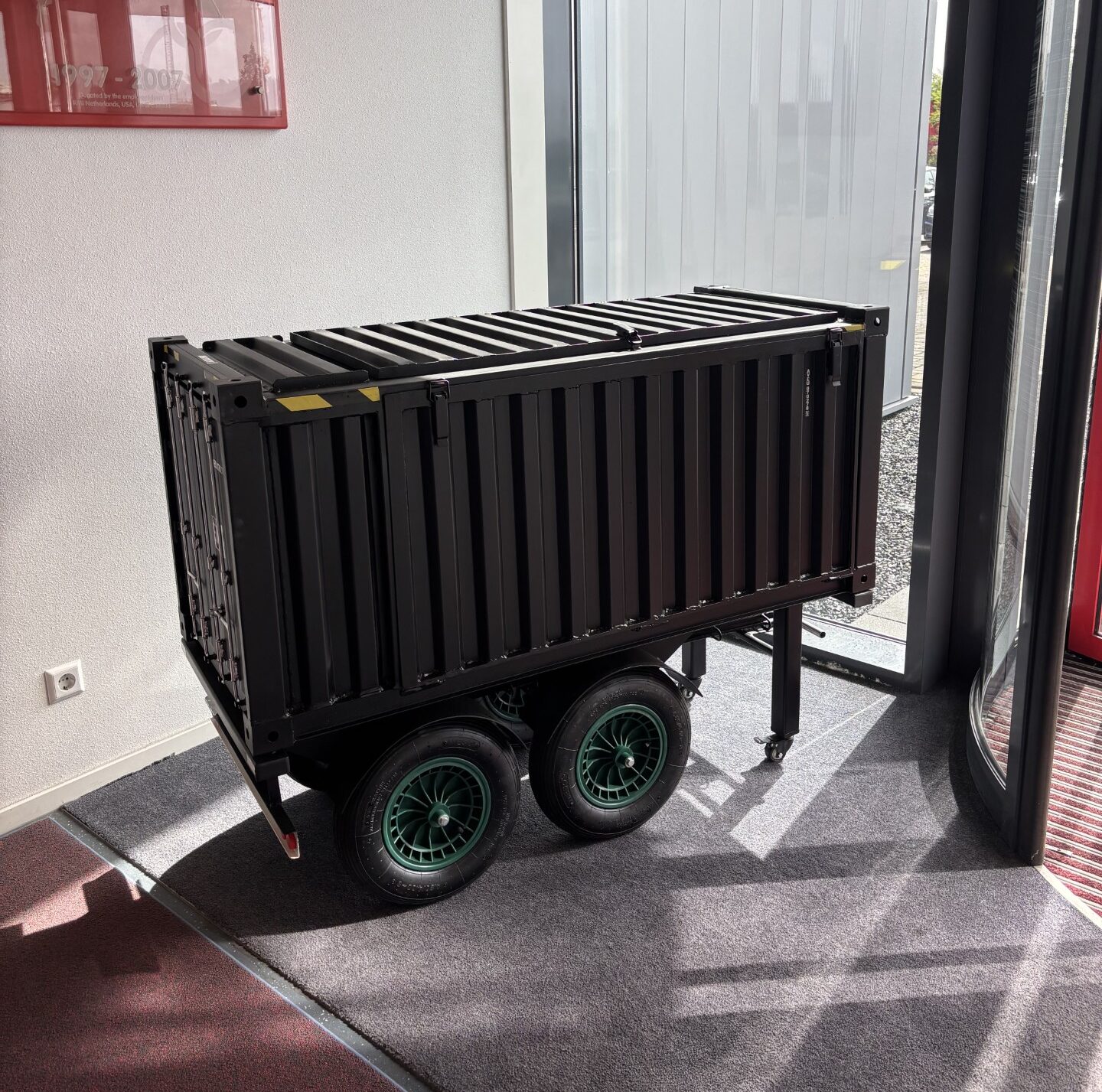
De grote escapecontainer is niet geschikt voor alle doelgroepen. Daarom is er nu ook een mini container ontwikkeld, speciaal voor jongeren van 10 tot 14 jaar. Deze compacte container kan in een klaslokaal worden geplaatst en bevat interactieve spellen. Zo leren jongeren spelenderwijs over risico’s en signalen van mensenhandel. De spellen laten zien hoe verleiding en misleiding in de praktijk werken, vaak via chatgesprekken of online contacten. Leerlingen maken keuzes, en ook als die keuzes “fout” blijken, leren ze door herhaling herkennen wat er gebeurt. Zo krijgen ze spelenderwijs inzicht in de realiteit van mensenhandel.
Het doel is om dit concept verder uit te rollen, in Nederland én Europa.
De rol van RCC
Voor RCC is dit project meer dan een modificatie-opdracht. Het is een samenwerking waarbij we onze ervaring met containeroplossingen kunnen inzetten voor een maatschappelijk doel. Door goed te luisteren en mee te denken, vertalen we alle ideeën naar een praktische en veilige uitvoering.
Onze klant zegt het zelf: de samenwerking werkt omdat we elkaar versterken. Door ideeën te combineren met technische kennis, ontstaat er iets nieuws. Dit project laat zien hoe veelzijdig containers zijn – een container kan alles zijn, ook een middel om een belangrijk verhaal te vertellen.
De mogelijkheden met een container zijn eindeloos. Bij RCC geloven we dat elk idee vorm kan krijgen. We denken mee, adviseren en bouwen. Precies zoals we in dit project doen.
“No Limits, Just Containers”
Cases
Gerelateerde cases
Geen gerelateerde cases gevonden